Moving to Lead-Free Bullets: A Real-World Approach for the Serious Hunter
Changing to non-toxic bullets might be important for your next time in the woods, but the choice is not just about picking a box that says "lead-free." You need to make sure the new bullet works with your rifle, is right for the animal you are hunting, and follows the rules where you live. Making the right decision helps you stay legal, reduces surprises in the field, and gives you time to test how well it works before hunting season starts.
Know the Rules First
Before anything else, learn the hunting rules for where you live, including the animal you are going after and the season when you are hunting. Rules can differ depending on the area and the wildlife you are targeting. Pay attention to how the rules define which bullets are allowed and where you can hunt. Rules may also differ on private land, and shooting ranges may have their own requirements.
Use current information from the wildlife department rather than old internet posts or advice from hunters in other places. Rules can change, so always check the latest information. If anything is unclear, contact the department before you buy bullets or prepare for your trip. It's also good to keep the rules with you, including those about carrying and shooting. Staying legal is part of getting ready.
Make Sure the Bullet and Rifle Work Together
Not all lead-free bullets are the same, and they should not be treated exactly like conventional lead bullets. Common options, such as copper or copper-alloy bullets, can differ in length, weight, and shape from lead bullets of the same caliber. Those differences can change how your rifle performs.
Check the bullet maker's specifications and make sure they match your rifle's requirements. It's a mistake to assume the same caliber and weight always mean the same seating depth or feeding behavior. Don't alter the bullets or your rifle just to make them fit. If you are unsure, ask a qualified gunsmith or the manufacturer. With an older rifle, you may also need to check the twist rate and barrel wear to make sure the bullet remains stable. Reliable information and expert help matter.
Treat the First Time at the Range Like a Test
Your first range session with a new bullet should be a test, not an assumption that your old point of impact will still be right. Go to a range and follow its rules. Make sure the cartridges load, fire, and extract correctly. After firing, inspect the cases and your rifle for problems. Watch for unusual primers, difficult extraction, or excessive fouling that may call for expert help.
Next, see where the bullets hit and whether they group well from a stable position. Write down what you observe, including the conditions during the test. Remember, one good shot does not prove accuracy; look for consistent groups at the distances you expect to use.
A change in ammunition can also affect felt recoil, sound, and the way the rifle handles. These things can influence your aim, so take time to get used to the setup before you go into the woods.
Look at the Bullet's Performance with Ethics in Mind
When you are checking a bullet focus on hunting: can you aim accurately at reasonable distances and does the bullet's design work for the animal and the rules for your hunt? Advertisements often don't answer these questions. Look for details about what the bullet is designed for, how it is built, and which animals it suits; then keep those claims in mind during testing.
Lead-free bullets help stop lead from getting into animals and the environment. They cannot compensate for poor aim, the wrong rifle, or a bad recovery plan. No matter how well a bullet penetrates, a poorly placed or excessively long shot is not ethical.
The best bullet can vary with the size of the animal and the rifle being used. Consult wildlife agencies, ask the manufacturer for details, and seek local advice when needed. Do not assume that one good setup works everywhere.
Be Ready for What Happens After the Shot
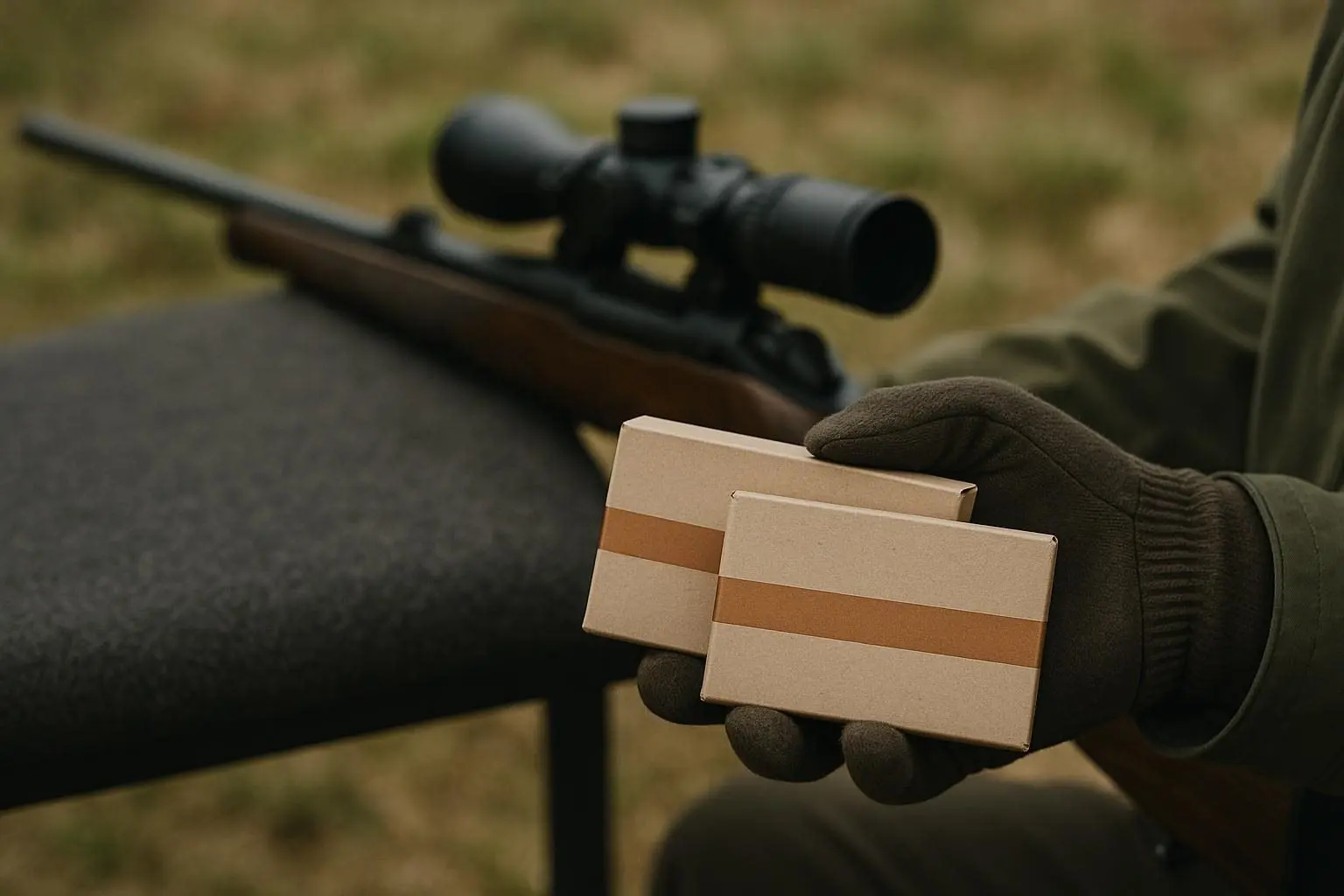
The bullets you choose can also affect what you do after you shoot. Make sure you can tell the bullet apart by its box and that everyone in your group knows what is allowed. Keep the boxes in a dry, secure place. Label them clearly, and do not mix loose, unidentified cartridges in a pocket or bag.
After taking an animal, follow the rules for tagging, transport, and carcass handling. Respect guidance from land managers about remains, and cool the meat promptly. Keep any remains away from scavengers and livestock.
If the animal runs out of sight, confidence in your bullets cannot replace careful tracking. Mark the shot location, look for signs, and follow the proper steps. Do not hesitate to ask for help if you need it.
Final Check Before the Hunt
As the first day of the season approaches, make sure you are ready with a checklist:
– Look at the rules for your state, area and animal.
– Make sure your rifle works with the bullets.
– Test how the bullets load, fire and come out.
– Check how accurate they are and where they hit.
– Look at all your bullets for any damage and keep them separate.
– Set your limits for distance, angle, and shooting conditions.
– Bring only equipment and ammunition you can use correctly and legally.
In the end, the best switch to lead-free bullets is one that feels familiar by the time hunting season starts. You will know the rules, your rifle will be tested, and the bullets will work with your point of aim. Your plan will help you make well-placed shots and recover the animal. That preparation matters more than any advertisement claiming one bullet works for everyone.